
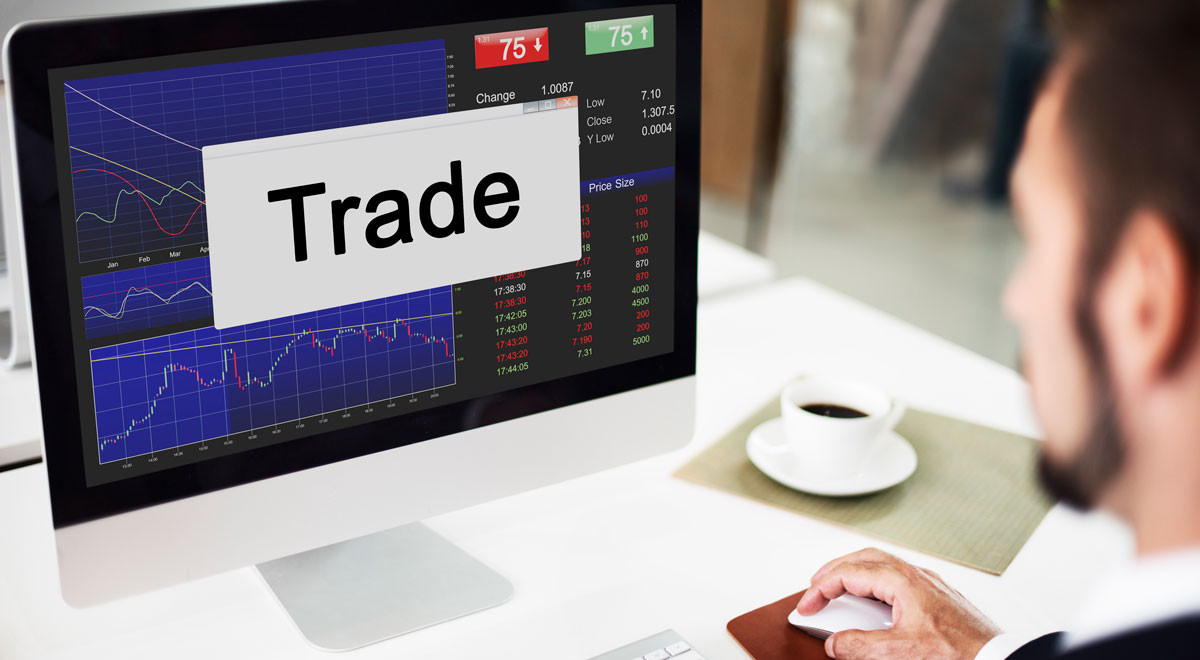
The process of anticipating future price movements by observing current and historical market price movements is called Price Action Trading. It involves both traditional and modern technical analyses of chart patterns, such as head-and-shoulders, flags, and more. Price Action Trading, by itself, is an umbrella term that looks for price increases or decreases in conjunction with chart patterns.
Key Takeaways
- A chart can contain various perspectives with derived trends that are easily identified by seasoned traders. This is usually the case when data is analysed over multiple time periods.
- Several analytical tools are used to evaluate price action and project it into the future to make informed trades
- While the analysis is comprehensive, prior action does not really mean that the future will display the exact price of the instrument at a given period.
The fundamental principle of Price Action Trading is to learn from the price itself. It believes that everything you need to know about a particular market is hidden in its price. This is where mathematical indicators differ from price action.
Using Price Action
Generally, price action is not considered a trading tool, unlike an indicator. It is a data source around which most of the tools are built. Swing and trend traders focus on the support and resistance levels to forecast breakouts and consolidations. They also pay attention to additional factors beyond price, such as trading volume, to interpret price action accurately. Institutions are now leveraging algorithms through automated systems to analyze price action and execute situational trading constructively.
Does it really work?
While the methodology is not perfect and does not guarantee a win-win situation, the strategies do offer accurate predictive analyses at times, and traders use them as a base for their trading. Most of the time, price action is used in combination with moving averages and other indicators to confirm signals.
Reading Price Action
A chart such as the Candlestick is used to read price action and to convey information at a glance. All HLOC (high, low, opening, and closing) prices for a particular asset are displayed over a specified period. Set your time frame and observe movements. For instance, some platforms display a green bullish candle on opening, and buyers get more control over the session.
Price Action Trading with Mithun’s Money Market
At MMM, you learn all about Price Action Trading from real traders who also advise you on proven strategies, helping you master the analysis and its tools. We help you trade smartly and discover real opportunities to grow your money.
FAQs
Price Action Trading involves analyzing historical and current price trends to predict future stock prices.
While several algorithms have emerged, Price Action Trading by itself is not a tool. Rather, it is often used in conjunction with moving averages to confirm a particular price.
Mithun’s Money Market empowers investors to make prudent investment decisions and build wealth for their future. It hosts an academy that helps traders not just trade but build and achieve their life goals.
Mithun’s Money Market is located in Dubai, UAE, and has guided thousands of investors over the past 15 years.
No. Price Action Trading or any other trading methodology does not guarantee profits of any kind.